
Restaurant Payment Transition Resources
Overview
Starting January 1, 2027, the university will discontinue shortcode ordering with restaurants that have a university-wide contract to provide dine-in, carry-out, and drop-off services in the Ann Arbor area.
U-M currently maintains contracts with more than 50 restaurants and caterers. Allowing shortcode ordering with these suppliers introduces significant compliance risks while offering little in the way of discounts or pricing protections. The new model offers units a much larger range of options.
As a part of this transition, the Travel Card has been renamed to the Travel & Hosting Card to support units that prefer a more restricted card option for their employees. This card can be used for hosting expenses in addition to travel-related charges.
The shift to PCards and Travel & Hosting Cards, allows us to better align restaurant purchases with university standards for financial controls. Key things to note about this change:
- PCards and Travel & Hosting Cards will be the preferred payment method for all restaurant purchases
- Units should begin using PCards and Travel & Hosting Cards immediately
- We’ll continue maintaining university-wide contracts with our full-service caterers to support larger, more complex events that require services beyond basic restaurant ordering (small group or large group hosting)
- Restaurants will no longer accept shortcode as a method of payment as of January 1, 2027
Resources
- Frequently Asked Questions
- Guidelines for Ordering from Restaurants and Food Service Establishments for Dine-in and Delivery Service
- Travel and Business Hosting Expense Policy
- Procurement General Policies
- Serving Alcoholic Beverages at Events on University of Michigan Campuses
- Request a Change to my Card (Limit Change, Suspend, Reinstate, etc.)
- For real-time answers, see the Procurement AI Chatbot, NIC, in the lower right corner of the webpage

The no-shortcode policy applies to dine-in, pick-up or delivery restaurants—even if they cater large events. If a restaurant (such as Zingerman’s Deli, Pizza House, Qdoba, etc.) is not one of the university’s strategic catering partners, then all orders—regardless of size or complexity—must be paid using a U-M PCard or personal funds (for reimbursement) starting January 1, 2027.
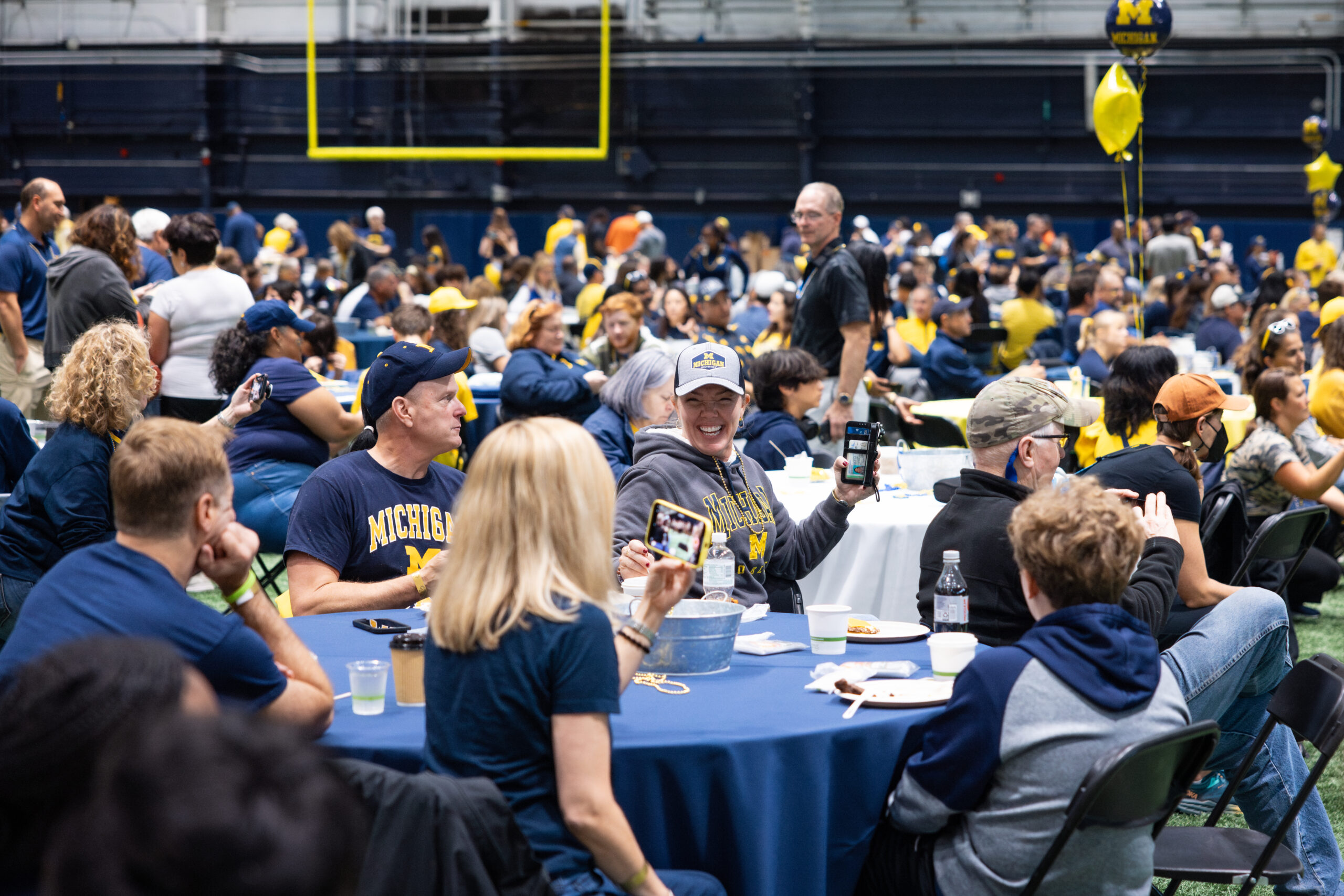
Full-service caterers such as MCatering, etc. who are best suited for large or complex events will remain shortcode eligible. These contracts will still offer the benefits of streamlined procurement, including pre-negotiated terms and conditions that meet university requirements.
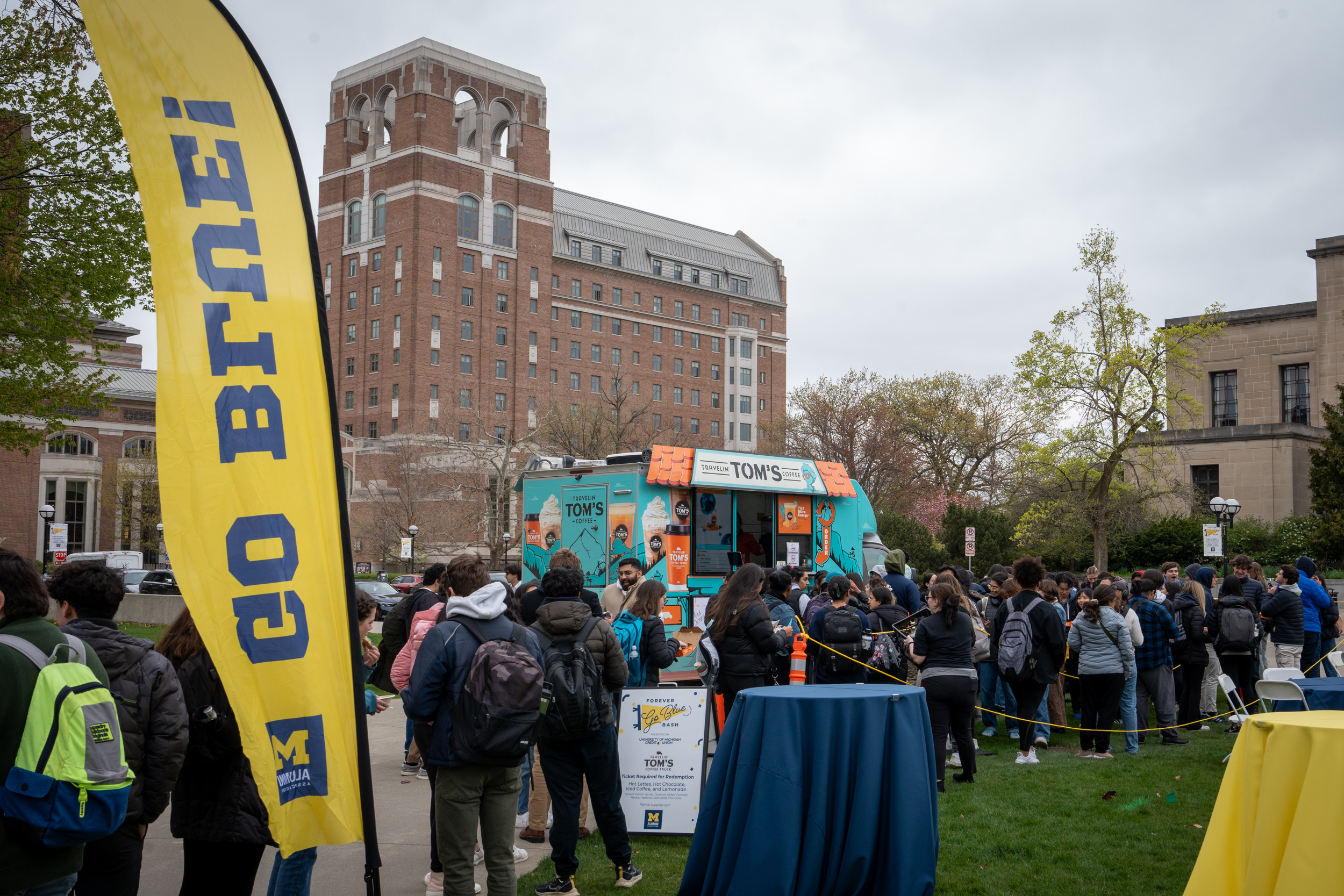
A Special Outdoor Event can include but is not limited to art displays, building dedications, community events, conferences, cultural events, demonstrations, dining, entertainment, etc. and are managed by Facilities and Operations.
Is using a PCard for restaurant purchases required?
Beginning January 1, 2027, restaurants that currently hold a university-wide contract will no longer accept shortcodes.
Units should use PCards and Travel Cards for all restaurant purchases and Units can begin using PCards and Travel Cards immediately, including at restaurants with a university-wide contract and any other restaurants outside these contracted suppliers. Personal credit card reimbursements for restaurant purchases should be used only when PCard use is not feasible and should be infrequent.
How will catering orders be impacted by this change?
At this time, university-wide caterers continue to accept shortcodes, along with U-M’s internal service provider, MCatering.
How can student-led groups or programs make approved after-hours purchases for events, meals, or activities when a staff member or PCard is not available, especially when students are unable to personally cover costs and wait for reimbursement?
We are developing a solution for sponsored and voluntary student orgs, but groups unaffiliated SOAS should follow these best practices:
- Department places the order and pays directly: Students can coordinate, but department pays. A student may help choose the menu, collect headcount, or coordinate logistics, while a staff/faculty member or unit administrator places the order using an approved payment method such as a PCard. Recommended when students are organizing a U-M-sponsored event but do not have purchasing authority.
- U-M internal provider / shortcode payment: Food is ordered through a U-M internal service, such as Michigan Dining/catering or another campus provider, and charged to a shortcode. Local restaurants are no longer eligible for payment via shortcode. A department or sponsoring unit usually provides the shortcode and approval.
- Reimbursement to student after personal payment: A student pays out-of-pocket and submits itemized receipts for reimbursement through the sponsoring unit’s process. The reimbursement will be processed via Emburse and the reimbursement distributed via an electronic payment method such as PayPal, Venmo, or direct deposit. (Projected to go live in early 2027). This should be pre-approved. Reimbursement is not guaranteed if the purchase violates policy, lacks documentation, includes unallowable items, or exceeds limits.
- Purchase Order / supplier invoice: Students can help initiate, but generally not approve. If the vendor needs to invoice U-M, the department may set up a requisition/purchase order or otherwise process the invoice through U-M systems. Best for larger orders, recurring catering, or vendors requiring formal payment. Students should not independently commit U-M to pay a vendor.
Can I use my Travel Card for hosting charges?
As a part of this transition, the Travel Card will be rebranded as the Travel and Hosting Card to support departments that prefer a more restricted card option for their employees. This card can be used for hosting expenses in addition to travel-related charges.
What policies and guidelines should my department review before selecting a food vendor and placing orders?
Before placing food or catering orders, departments should review the relevant University policies and guidelines to ensure purchases are appropriate and compliant. In addition, departments should:
- Use only licensed and reputable vendors.
- Follow EHS food safety guidelines.
- Stay within hosting limits.
- Use PCard as the preferred payment method.
- Route agreements, contracts, or deposits through Procurement Services for review and signature.
Please see the full set of Guidelines for Ordering from Restaurants and Food Service Establishments for Dine-in and Delivery Service for additional information.
What do departments need to do to prepare?
Departments can continue using shortcode for current university-wide restaurant orders through the end of the year. Departments should begin reviewing and adjusting their hosting business practices now to prepare for the transition from shortcode to PCard.
This includes updating internal workflows for placing, approving, and reconciling restaurant orders. Departments can begin using PCards/Travel Cards immediately, including at contracted university-wide restaurants and other restaurants outside our contracted suppliers, to start familiarizing staff with the process.
Can I sign agreements on behalf of U-M?
No, however, for standard restaurant orders (e.g., dine-in, takeout, or drop-off catering), the PCard should be sufficient, and we expect many vendors won’t require formal contracts. For larger hosting arrangements—such as staffed events, on-site service, or custom menu planning—Procurement may still need to review agreements or event orders, especially if they include terms around cancellation, liability, or per-head pricing.
What is the expectation for student groups?
Student employees should work with a staff member who holds a PCard to place and pay for orders.
Does the shortcode restriction apply to all restaurants, even if they cater?
Yes. All restaurants will require PCard payment, regardless of event size.
Will tax-exempt status still apply when using a PCard?
Yes. Restaurants should honor U-M’s tax-exempt status. The tax-exempt number is printed on the PCard, and the link to the Tax Exempt form can be found here.
Are hosting limits still in effect?
Yes. Hosting limits still apply across all campuses and include meals and beverages per policy. More information about business hosting guidelines can be found here.
Are tips included in the hosting limits?
Yes. Tips must be included within the per-person meal limits. A 15–20% tip is generally expected.
How do we handle credit card or service fees from restaurants?
Departments should avoid using restaurants or food service providers that charge credit card processing fees. University funds should not be used to cover these types of fees whenever they can be avoided.
Are cottage food vendors (home-based) allowed?
No. Cottage food vendors are not approved for university events. Only licensed, insured providers may be used.
Does this change apply to UM-Dearborn and Flint?
Primarily Ann Arbor restaurants are affected. Dearborn and Flint continue using their own catering processes.
When does shortcode food ordering end?
Shortcode restaurant orders will no longer be accepted after January 1, 2027.